What is Mindfulness?
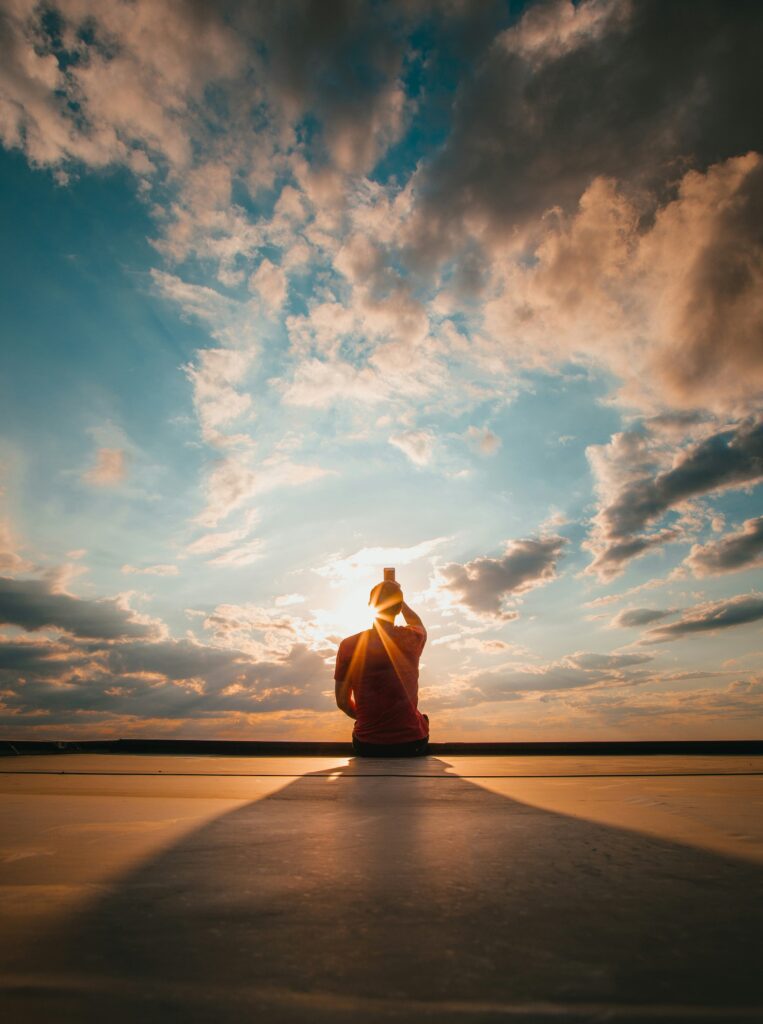
Mindfulness : A Beginner’s Guide to Theravada Buddhist Practice
Struggling to find a meditation practice that feels right? If you’ve tried to “silence” your mind only to feel frustrated, you’re not alone. Mindfulness, rooted in Theravada Buddhism’s Vipassana practice, offers a refreshing approach that embraces the mind’s natural activity. At Rainforest Reiki and Meditation in Vancouver, BC, we guide beginners to observe their thoughts without forcing them away, interfering or engaging with phenomena that arise. This practice isn’t about emptying your mind—it is about understanding how practicing the correct technique can lead to the liberation of suffering .
What Is Mindfulness
Mindfulness is a core practice in Theravada Buddhism, one of the oldest branches of Buddhist tradition. Unlike meditation techniques that aim to quiet the mind, Mindfulness encourages you to observe your thoughts, emotions, and sensations as they arise, without judgment. The goal is to develop insight into the impermanent, interconnected nature of your experiences.
For beginners, this means letting your mind be natural—busy, wandering, or restless—while gently noticing what’s happening, watching the mental phenomena rise and fall away. This natural approach feels accessible, especially if you’ve struggled with meditation practices that ask you to empty, or quiet your mind.
Mindfulness refers to a deep, experiential understanding of the true nature of reality, particularly the three characteristics of existence: impermanence (anicca), suffering (dukkha), and non-self (anatta). This understanding arises through direct observation of mental and physical phenomena during meditation, where practitioners mindfully observe sensations, thoughts, and emotions without attachment or aversion.
We have between 6000 and 70000 thoughts a day, often repetitive and pervasive in nature. It is impossible to quiet the mind to complete silence. Using a variety of meditation objects, mindfulness practice encourages the natural, wandering mind we all have.
When the mind strays from the meditation object, and it will, know so. When the mind returns to home base, and it will, know so. Then begin again.
Mindfulness practice transcends intellectual knowledge, leading to transformative wisdom that liberates one from suffering and fosters profound clarity and peace. It’s the “seeing things as they really are” that Vipassana cultivates in practitioners.
Why You Don’t Need to Silence Your Mind
The idea of a silent mind is a common meditation myth. Your mind is designed to think, just as your heart is designed to beat. Trying to stop thoughts is not only impossible but can also create tension and self-doubt, ultimately this method leads to abandoning mindfulness. In Mindfulness practice, you’re invited to see thoughts as passing clouds in a vast sky. They come and go, and your job is to watch them with curiosity, not control, follow or interfere with them. This perspective is liberating for beginners, as it removes the pressure to achieve a “perfect” meditation state and aligns with the natural flow of your mind.
Benefits for Beginners andStruggling Meditators
Mindfulness offers tangible benefits, especially for beginners or those who’ve found other techniques challenging or unrealistic. Regular practice can reduce anxiety, improve focus, and foster emotional resilience by helping you understand your mental habits. You may notice a greater sense of presence in daily life, whether savoring a walk in Vancouver’s Pacific Spirit Park or responding calmly to stress. Unlike rigid meditation styles, Vipassana’s flexibility makes it easier to integrate into busy schedules, offering a sustainable path to wellness. You can start with just 15 minutes a day to see the benefits. Yes, if you practice more, the benefits will expand exponentially!
Benefits of Mindfulness practice include:
- quiet the busy mind
- improved self regulation
- improved coping function to stressful events
- improved emotional regulation
- increased concentration
- increased mental and physical stamina
- improved sleep- ease of falling asleep, staying asleep and waking feeling rested
- reduction or elimination of nightmares or night terrors
- valuable tool for managing acute and chronic pain
- may reduce risk of cardio vascular disease
- may improve immune function
- increase sense of well being and personal harmony
- assists in living with anxiety, depression, PTSD, ADHD
Why Practice with Rainforest Reiki and Meditation?
At Rainforest Reiki and Meditation, we believe in the importance of consistency and growth through daily practice and continued guidance from a Teacher. Rachel continues to practice daily and also with her Teacher 2-3 times a week. We also understand life is just busy! It’s difficult to fit most tasks into our daily lives without adding another task to the list. Our courses and workshops are designed to accommodate busy schedules.,
Please email Rachel to be placed on the waitlist for the next Intro to Mindfulness course. You can also sign up for our newsletter and the next class dates will go right to your mailbox